
What Another Season of "We'll Deal With It Later" Actually Costs
A garage door that's been quietly grinding, sagging, or sticking since summer doesn't fix itself over the cooler months. Left alone through another round of humidity swings and afternoon downpours, a worn spring or rusting track usually turns into one of two bad outcomes: a door that slams shut on its own (a real safety hazard), or a full system failure that costs far more than the original repair would have. On a rental, that bill becomes a fight nobody wins — the tenant blames the landlord for deferred maintenance, the landlord blames the tenant for misuse, and the door sits broken while everyone argues. Settling who's responsible for what, before it breaks, saves both the money and the relationship.
The General Rule of Thumb
Most leases follow a simple split: the landlord is responsible for the garage door's structural and mechanical health — the stuff that wears out from age, weather, or normal use. The tenant is responsible for damage caused by misuse, neglect, or accidents, plus basic day-to-day care. The tricky part is that garage doors fail from a combination of both, especially in a climate that swells wood, rusts hardware, and stresses opener motors harder than drier regions do.
Usually the Landlord's Job
- Broken springs (torsion or extension) — these fail from age and cycle count, not tenant behavior
- Opener motor failure or a dying opener unit
- Rust or corrosion on tracks, rollers, and hinges caused by ambient moisture or salt air
- Panel warping or swelling from humidity exposure over time
- Pre-existing wind-load or storm-readiness issues with the door itself
- General wear: worn weatherstripping, stretched cables, loose panel seams
Usually the Tenant's Job
- Damage from backing a vehicle into the door or track
- A door knocked off track from forcing it open/closed manually during an opener malfunction instead of reporting it
- Dead remote batteries, lost remotes, or reprogramming after a lockout
- Keeping the door's photo-eye sensors and tracks clear of stored items, debris, or pests
- Reporting problems promptly — most leases shift responsibility to the tenant for damage that worsened because a known issue wasn't reported
The Gray Area
Not everything fits neatly into a column. A door that's slow to close might be a failing opener (landlord) or a track clogged with debris the tenant never cleared (tenant). A rusted roller might be humidity-driven wear (landlord) or the result of a tenant hosing down the garage and never drying it out (shared fault). When in doubt, check the lease language first — many leases spell out an exact split for appliances and mechanical systems, including garage doors. If the lease is silent, get repair estimates in writing and have an honest conversation before anyone assumes blame.
What to Inspect at Move-In — Before Anyone Signs Anything
A five-minute walkthrough at move-in prevents most of these arguments later. Walk the garage with the departing tenant (or alone, if it's vacant) and check:
- Balance: Disconnect the opener and lift the door halfway by hand. It should stay put. If it drifts up or crashes down, the springs are already failing.
- Track alignment: Look for gaps, bends, or rust along the tracks, especially near the bottom where moisture collects.
- Panels: Check for warping, swelling, dents, or cracked seams — common after a humid season or a storm.
- Opener function: Test the remote, the wall switch, the auto-reverse safety feature, and the photo-eye sensors.
- Weatherstripping: Note any cracking or gaps at the bottom seal — a cheap fix now, a moisture and pest problem later.
- Noise: Run the door up and down twice. Grinding, popping, or scraping sounds should be documented immediately, with photos or video, dated and shared between both parties.
Put this in writing, attach it to the lease, and both sign it. It's the single easiest way to avoid a dispute six months from now about whether a problem was pre-existing or new.
When to Call In a Professional
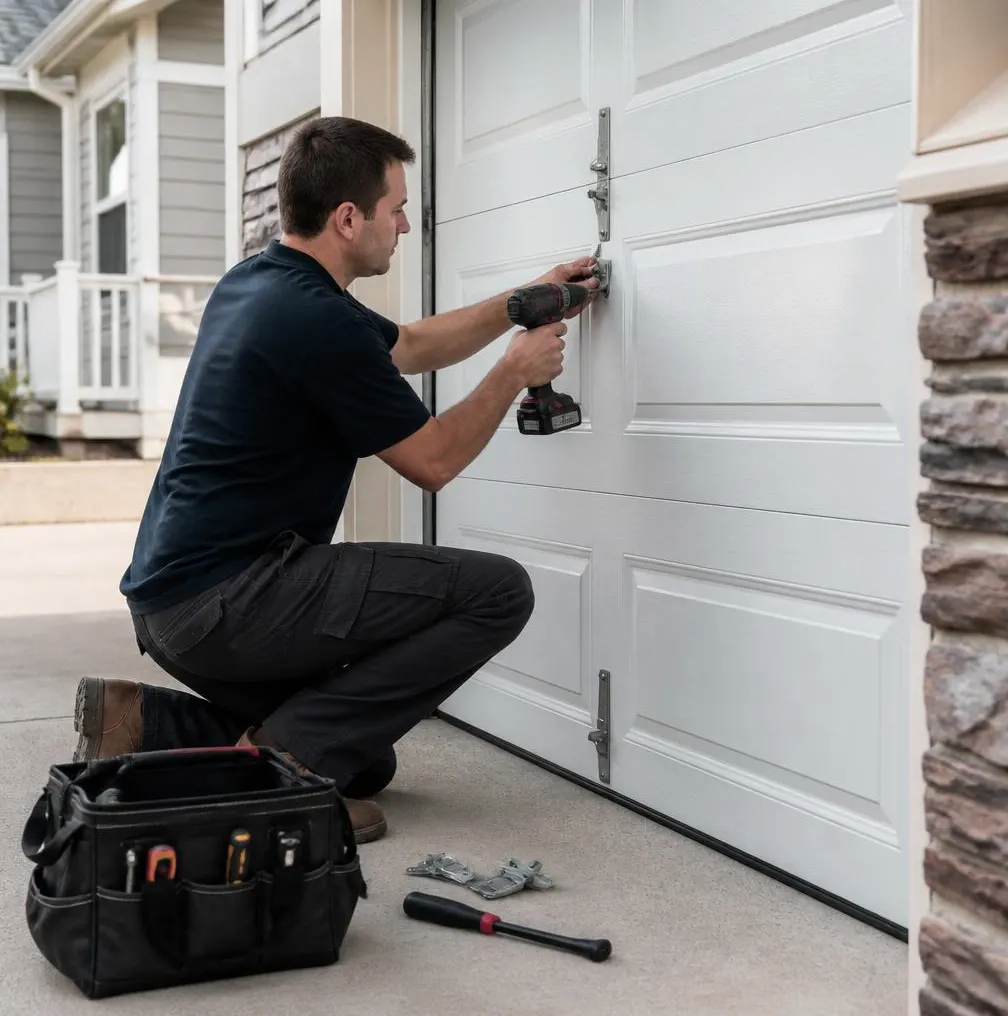
If the move-in inspection turns up a door that's off balance, a spring that looks stretched or rusted, or an opener that doesn't respond reliably, don't wait for it to become an emergency. Monticello Garage Door Experts handles Garage Door Spring Repair and full Garage Door Maintenance & Tune-Up service for rental properties throughout Jefferson County, and can give landlords and tenants a written condition report that settles the responsibility question before it turns into an argument.
If you're moving in, moving out, or just tired of guessing who's supposed to pay for the next repair, call Monticello Garage Door Experts for an inspection serving Monticello, Tallahassee, Madison, Perry, Greenville, Lamont, Lloyd, and Wacissa.